When to use run flat inserts instead of run flat tires

Use run-flat inserts for a standard tire plus a support ring on 14.00R20, 335/80R20 or 225/40R19. Use a run-flat tire when the OEM specs a stiff sidewall.

China Baowu New Materials Co., Ltd.
We supply PCR, TBR, OTR, agricultural, industrial, solid and run-flat tires for wholesale and OEM buyers. Send size, quantity and destination port for a quotation.
Use run-flat inserts for a standard tire plus a support ring on 14.00R20, 335/80R20 or 225/40R19. Use a run-flat tire when the OEM specs a stiff sidewall.

A scissor lift tire vs boom lift tire choice depends on floor, speed, and terrain. Spec solid, foam-fill, or pneumatic casings without mixing the duty.
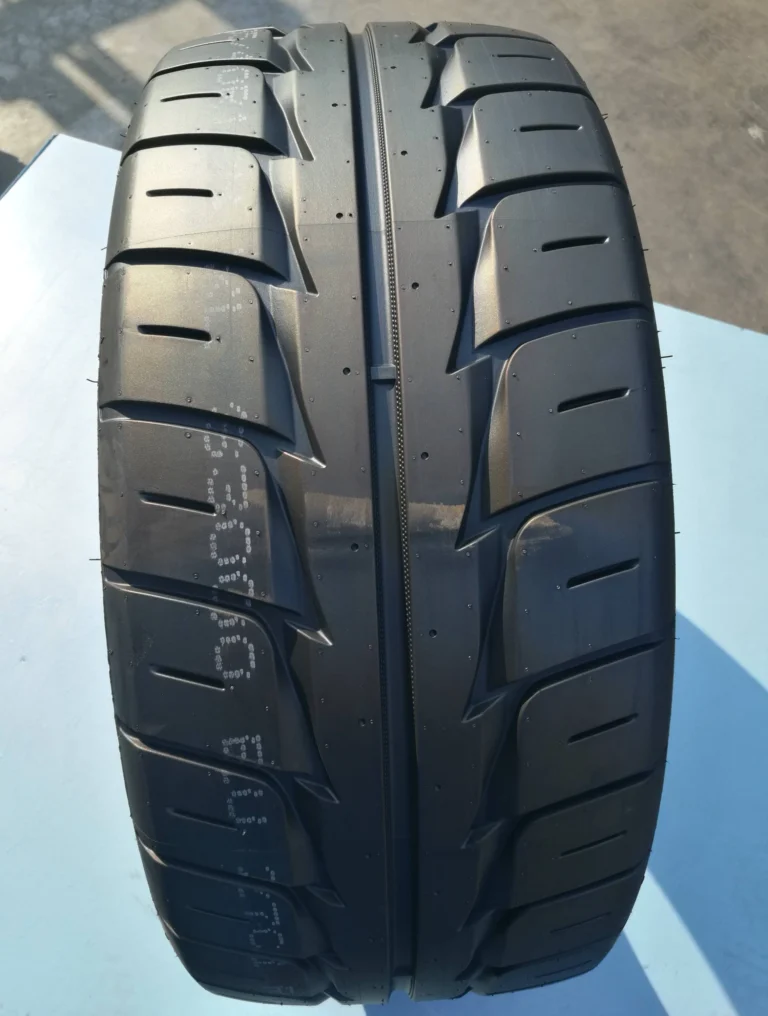
Compare nail proof solid tires vs foam filled options for forklifts and yards: puncture path, ride, weight, and when a solid casing beats a foam fill.
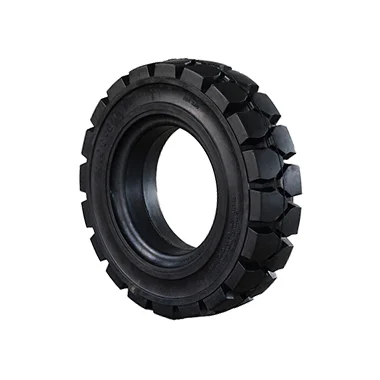
Choose TBR vs bias truck tire for regional haul by heat build, mixed roads, and a written repair plan before you lock a mixed-size wholesale container.
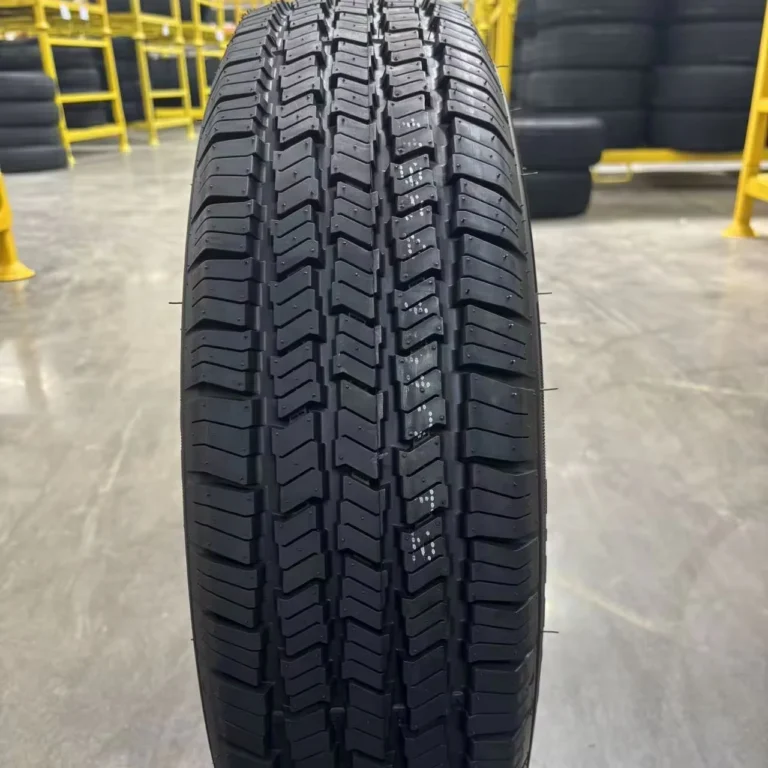
Pick R1 for field work on 12.4-24, 14.9-28 and 18.4-30. Pick R4 when the tractor spends time on yards, gravel and loader work. Split machines if hours split.
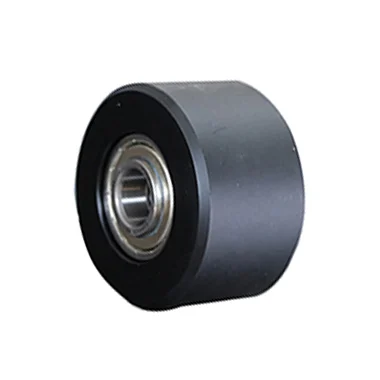
Choose tube type vs tubeless OTR tires by rim, flap, field repair, and heat. Order TT or TL to match the wheel so crews are not stuck with mixed parts.

Run flat insert two piece vs three piece depends on rim and tire cavity. Compare install labor and size class so you buy segments that actually bolt together.

Choose solid forklift tires for nail-heavy floors; keep pneumatic for outdoor yards that need cushion. Compare 7.00-12, 28x9-15 and 18x7-8 before you buy.

Send application, size, quantity, port and pattern marks. Here is what to send for a WhatsApp tire quotation so the sales desk can quote without guesswork.

Write a wholesale tire RFQ with application, size, construction, quantity and destination port. Split 23.5-25, 11R22.5 and 7.00-12 so quotes stay comparable.